

If you have spent any time searching for a retinol serum, you have probably landed on the RoC Retinol Correxion Deep Wrinkle Serum more than once. It has over 15,000 reviews on Amazon, a price point that doesn't require a second mortgage, and the kind of brand recognition that makes you feel like you're making a safe, sensible choice. I thought all of those things too. Then I started reading the ingredient panel, testing it on my own face, and talking to women who had been using it for years. What I found was more nuanced than the star rating suggests, and some of it surprised me. This is the version of the review I wish I had read before I ordered my first bottle.
To be clear: I am not here to tear this product apart. RoC Retinol Correxion Deep Wrinkle Serum is a legitimate retinol product at a reasonable price, and for many women over 50 it genuinely delivers results. But the reviews that sent you here probably focused on the best-case outcome. I want to tell you about the whole picture, including the weeks that are not fun, the women for whom this formula does not work well, and the purchasing decisions that waste your money even when the product itself is fine.
The Quick Verdict
A well-formulated, honestly priced retinol serum that delivers on fine lines and texture for most women over 50, but the introduction phase is rough, the ascorbic acid is a double-edged sword, and it is absolutely not for sensitive or rosacea-prone skin.
Amazon Check Today's Price →Tired of retinol that promises results but burns your face for six weeks straight?
RoC Retinol Correxion Deep Wrinkle Serum pairs retinol with ascorbic acid in a single step. If your skin can handle it, the results are real. Check today's price before you decide.
Amazon Check Today's Price on Amazon →What the Ingredient Panel Actually Tells You (and What It Hides)
The marketing for this serum leans hard on two words: retinol and ascorbic acid. Both are legitimate anti-aging ingredients with real clinical backing. Retinol speeds up cell turnover, boosts collagen production over time, and fades post-inflammatory discoloration. Ascorbic acid, the active form of vitamin C, brightens, fades dark spots, and adds another layer of antioxidant protection. On paper, combining them sounds smart.
Here is what the label does not volunteer: both retinol and ascorbic acid are irritating on their own. Together, they can be genuinely difficult for skin that has never encountered retinol, for anyone with rosacea or a compromised moisture barrier, or for women going through menopause whose skin has thinned and lost some of its resilience. The formula also uses methylparaben and propylparaben as preservatives, which are not harmful at these concentrations but are worth knowing about if you are working around a sensitivity. None of this is hidden exactly, but you have to go looking for it, and the Amazon listing is not going to point you toward it.
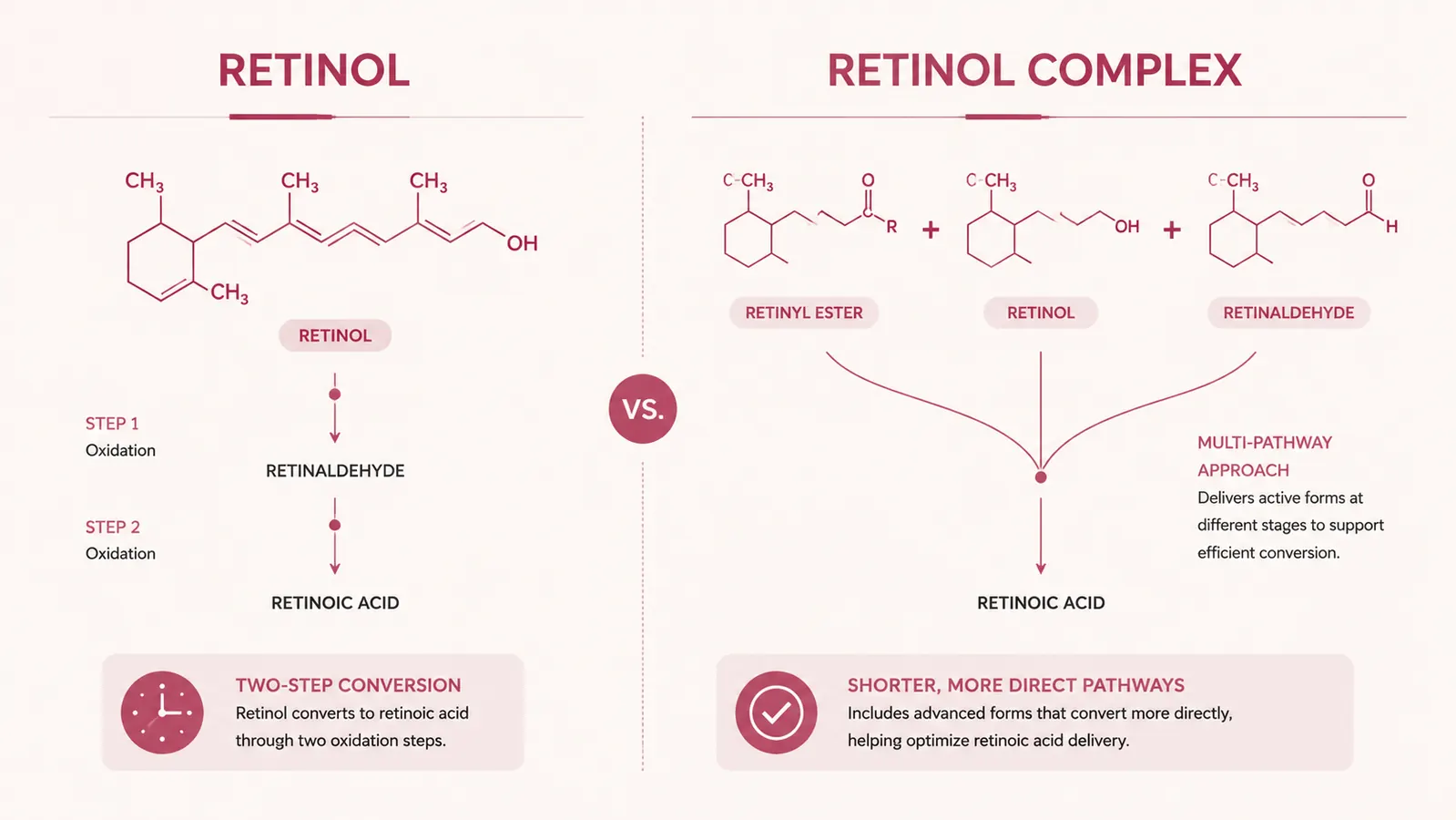
What RoC calls their "Retinol Complex" is retinol combined with a mineral cofactor blend designed to stabilize the retinol molecule and improve tolerability. That stabilization is real and it is one of the reasons RoC products have been studied in peer-reviewed settings. But "complex" on a label can make it sound like something proprietary and mysterious when the core active is the same retinol you find elsewhere. You are paying for the delivery system and the decades of formulation refinement, which is worth something, but it helps to know what you are actually buying.
The Irritation Phase: What Nobody Prepares You For
This is the part that trips up the most women, and it is the section I would have underlined in a physical copy of this review before I started. Retinol causes something called retinization, which is a period of adjustment where your skin responds to the accelerated cell turnover with dryness, flaking, occasional redness, and sometimes a tight, uncomfortable sensation. It is not an allergic reaction. It is not the serum damaging your skin. It is biology, and it passes. But it is unpleasant, and most reviewers skip past it because by the time they write a review, the irritation is a distant memory.
With this specific formula, which combines retinol and ascorbic acid, I found the irritation phase more pronounced than with retinol-only serums I had tested previously. The ascorbic acid adds a secondary source of tingling and potential dryness, particularly in the first three weeks. I was applying every third night to start, using a thick moisturizer on top, and I still had some flaking around my nose and chin during weeks two and three. By week six I was using it every other night without issue. By week ten, nightly. But if I had started this product without that background knowledge and applied it nightly from day one, I suspect I would have returned it after ten days and left a one-star review blaming the product for what was actually a usage error.
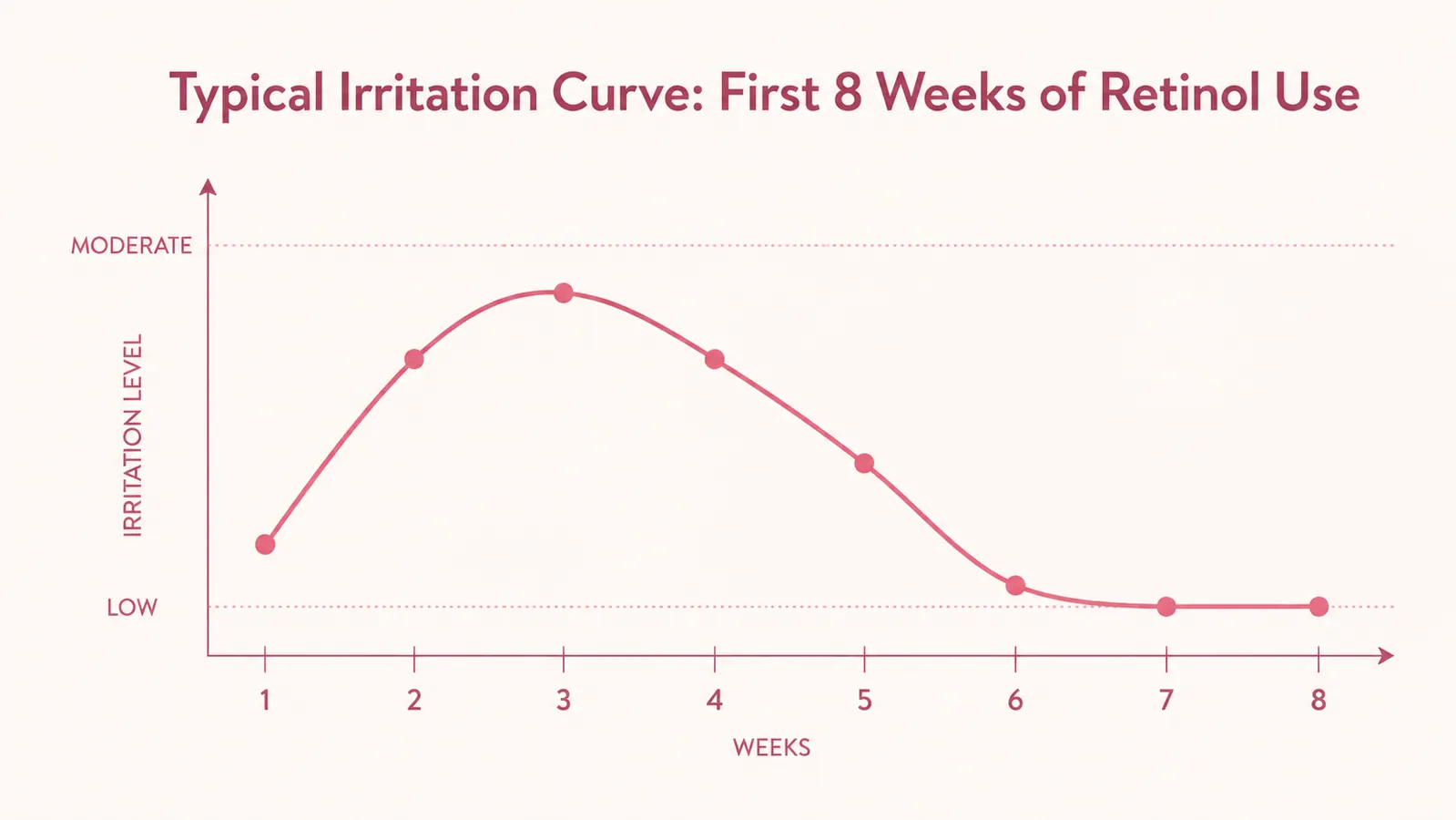
Most one-star reviews of this serum describe a usage problem, not a product problem. Starting every third night instead of nightly cuts the irritation phase almost in half.
The Results That Are Real, and the Ones That Are Overstated
After a full introduction period and several weeks of consistent use, the results I saw on texture and fine lines were genuinely noticeable. The skin on my cheeks felt smoother under my fingertips in a way that moisturizer alone had never produced. Fine lines around my eyes and at the corners of my mouth appeared softer. These are the results that retinol is legitimately known for, and this serum delivers them if you give it time.
Dark spots were more of a mixed picture. The ascorbic acid does contribute to brightening, but I want to be precise about what that means. Mild, surface-level discoloration improved noticeably. Deeper hyperpigmentation, the kind that comes from years of unprotected sun exposure or hormonal shifts during menopause, improved more slowly and less dramatically. If dark spots are your primary concern and they are deep or widespread, you may need to manage expectations. A dedicated vitamin C serum used alongside a separate retinol product, or a prescription tretinoin, may address that concern more aggressively.
Pore size is something I see mentioned frequently in positive reviews. My honest assessment is that this is partly a real effect of improved skin texture and partly a lighting illusion. Retinol does improve the appearance of enlarged pores by increasing cell turnover and reducing the plugging that makes them look bigger. But if you are hoping for a dramatic visible reduction in large, structurally dilated pores, that is not what retinol does and this product will not deliver it. What it does do is make skin look more refined overall, which accomplishes a similar cosmetic goal through a slightly different mechanism.
The Packaging Problem Nobody Talks About
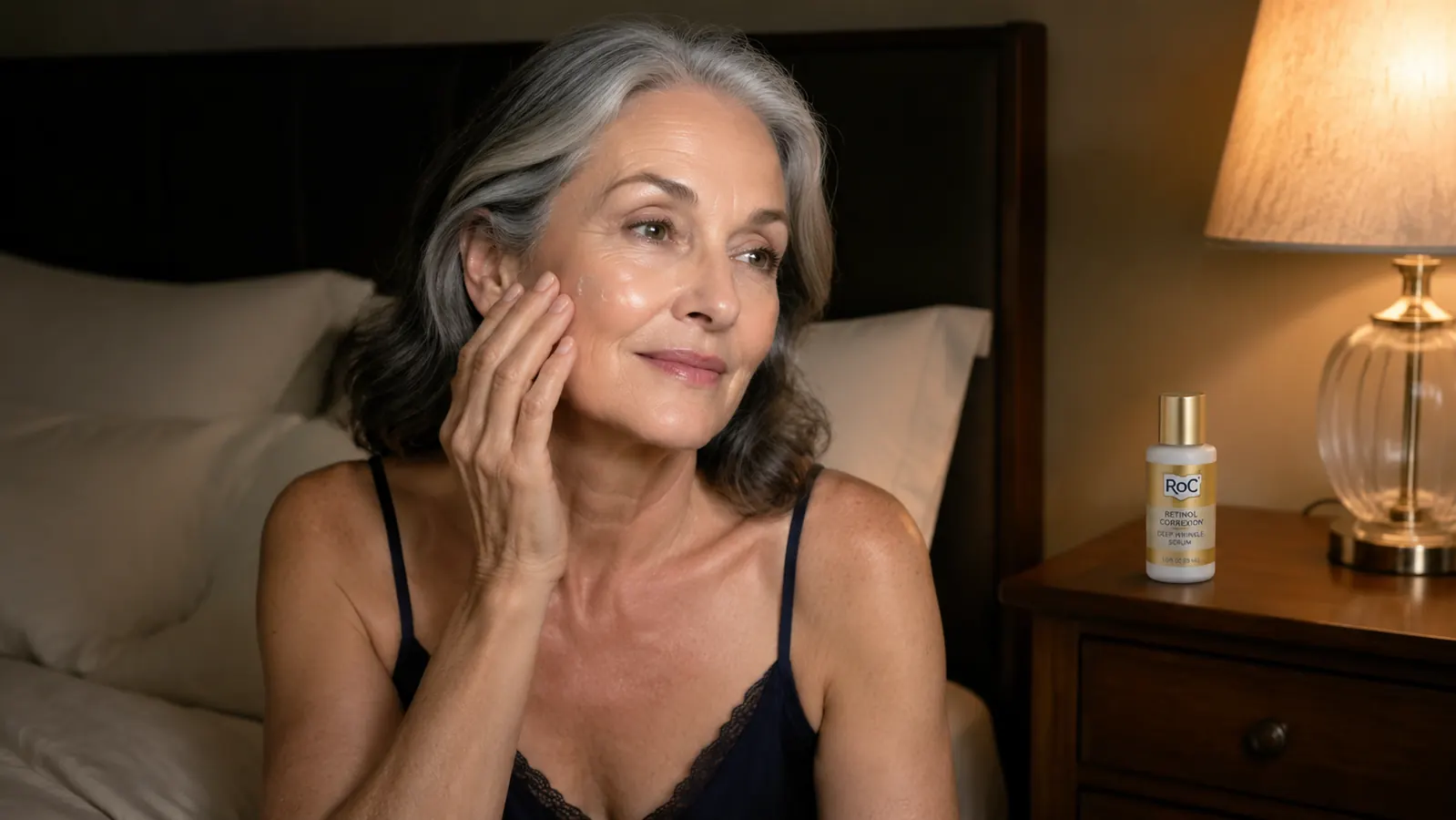
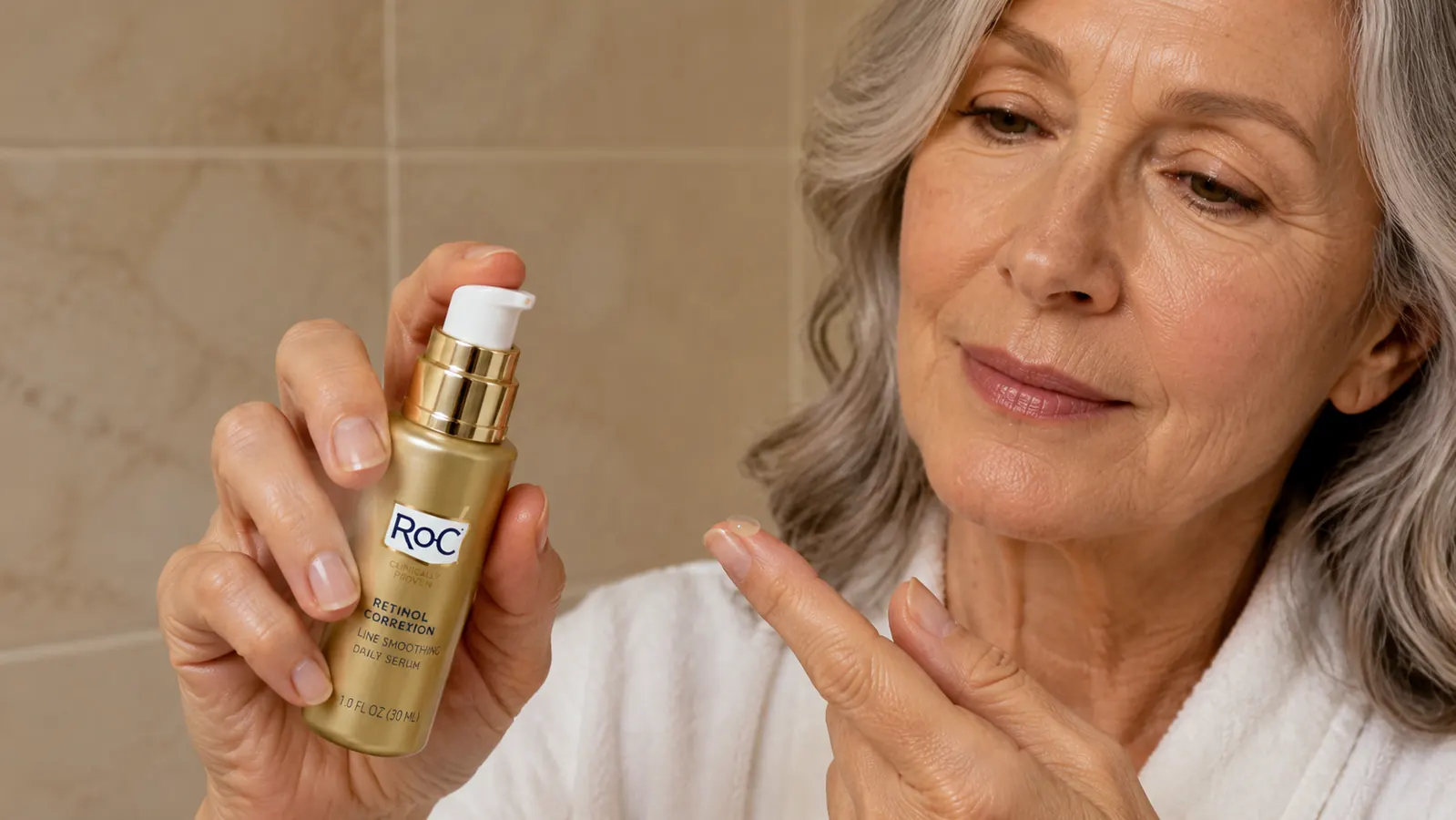
This one genuinely bothered me. RoC Retinol Correxion Deep Wrinkle Serum comes in a pump bottle, which sounds convenient and hygienic. The problem is that the pump dispenses more product than you need for a full-face application. A single pump is roughly twice the recommended pea-sized dose for a retinol serum. That means either you are using more product than necessary (which costs you money over time and may increase irritation) or you are trying to press the pump halfway down each time, which is awkward and inconsistent.
The other packaging reality: the 1-ounce bottle sells at a price that looks affordable, but the amount of product per dollar is lower than it appears when you factor in the dose. A dedicated retinol serum from the prescription-adjacent category or a comparable drugstore option like a retinol-only formula from Paula's Choice or La Roche-Posay may give you more product per application at a similar or slightly higher price. For the money, this product is competitive, but it is not the bargain it appears to be if you are overusing the pump.
Who This Serum Is Actually Right For
The women I have seen get the best results from this serum share a few things in common. Their skin is in the normal-to-dry range, not reactive or sensitive. They are retinol beginners or returning to retinol after a gap, not people who have been on prescription tretinoin and want something stronger. They want a single product that handles both retinol and some vitamin C brightening without managing two separate serums. And they are patient. They give the product twelve weeks before making a judgment call. If that description fits you, this is a solid choice at a reasonable price point, and the 15,000 positive reviews reflect genuine results for that population.
The comparison article on this site that puts this serum head-to-head against CeraVe's retinol option is worth reading if you are trying to decide between the two. The formulas take different approaches to tolerability, and the right choice depends heavily on your skin's current condition. You can find that piece at the link in the related articles section.
Who Should Skip This One
If you have rosacea, this formula is likely to aggravate it. The combination of retinol and ascorbic acid is a lot of active load for skin that is already reactive, and the tingling you feel on normal skin becomes genuine flushing and discomfort on rosacea-prone skin. I would look for a retinol encapsulated in a gentler base, or ask your dermatologist about a low-dose prescription option that can be titrated carefully.
If your moisture barrier is already compromised, meaning your skin is tight, flaky, red, or sensitive from overusing exfoliants or harsh cleansers, do not start retinol yet. Repair the barrier first with a fragrance-free ceramide moisturizer for four to six weeks, then introduce retinol slowly. Starting this serum on top of a disrupted barrier is the fastest route to misery and a returned bottle.
And if you are someone who cannot commit to using a separate SPF 50 every single morning without fail, retinol is not the right ingredient for you right now. Retinol increases photosensitivity. Using it consistently without sunscreen during the day will accelerate the very sun damage you are trying to reverse. This is not a scare tactic. It is just the biology of how the ingredient works, and it applies to every retinol product on the market, not just this one.
What I Liked
- Retinol combined with ascorbic acid in one step addresses both cell turnover and brightening
- Clinically studied RoC Retinol Complex with stabilizing mineral cofactors, not a random formulation
- Real, visible improvement in fine line texture and skin refinement after the full introduction period
- Accessible price point for a retinol serum with a decades-long track record
- Pump packaging keeps the formula airtight and hygienic, extending shelf stability
Where It Falls Short
- Irritation phase is more pronounced than retinol-only serums due to the ascorbic acid combination
- Pump dispenses too much per press, leading to overuse and faster bottle depletion
- Not suitable for rosacea-prone, reactive, or barrier-compromised skin
- Deep hyperpigmentation from sun damage responds slowly; not a substitute for a dedicated brightening treatment
- Contains parabens, which is fine at these concentrations but worth knowing if you have a sensitivity
The Purchasing Mistakes That Cost Women Money
The most common mistake I see is buying this serum, using it nightly from day one because the bottle does not say otherwise, experiencing week two or three irritation, and concluding the product is wrong for them. It is almost never the product. It is the introduction schedule. Start every third night. Build to every other night over three to four weeks. Go nightly only when your skin tolerates it without complaint.
The second mistake is using it without a moisturizer on top during the first several weeks. This formula is a serum, not a treatment moisturizer. After it absorbs, your skin still needs hydration and barrier support, especially while it is adjusting to the retinol. A fragrance-free, ceramide-based moisturizer applied immediately after the serum absorbs will cut your irritation phase meaningfully.
The third mistake is expecting results in three weeks. Retinol works through a process that takes time at the cellular level. Six weeks is when most women start noticing changes. Twelve weeks is when the full picture becomes clear. If you return this product at week four because nothing dramatic has happened, you have not given it a fair test.
Ready to give retinol an honest try on your own terms?
RoC Retinol Correxion Deep Wrinkle Serum is one of the most tested formulas at this price. If your skin is ready for it, the results are real. Start slow, stay consistent, and see what twelve weeks does. Check today's price on Amazon.
Amazon Check Today's Price on Amazon →