
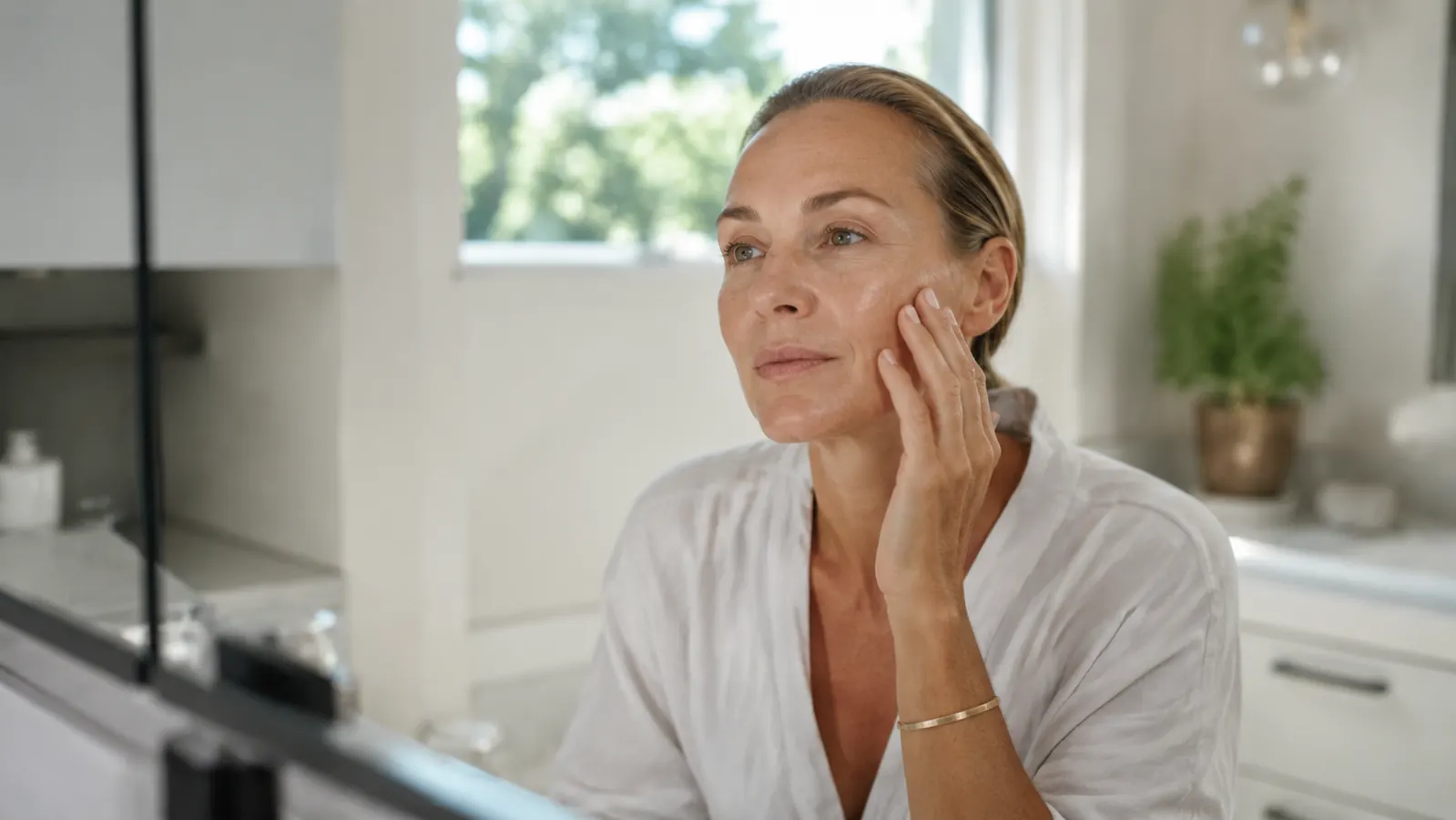
I have been writing about skincare for most of my adult life, and I spent years telling readers that a good moisturizer and broad-spectrum SPF were the foundation of everything. Retinol always sat in the background of my knowledge, something I recommended to others but never committed to myself, because every time I tried a retinol product in my forties, my skin threw a fit. Redness, peeling, that tight, angry feeling around my nose and chin. I told myself it was too harsh for my skin type and moved on. Then, at 54, I decided I was being foolish about it. My fine lines had deepened noticeably over the past two years. The skin along my jaw was losing its firmness. I had two dark spots on my left cheekbone from a summer spent outdoors without enough sunscreen. So I picked up the RoC Retinol Correxion Deep Wrinkle Serum, which I had seen on pharmacy shelves since the nineties, and I committed to using it every night for four full months before writing a single word about it.
What follows is exactly what happened, week by week, on my actual 54-year-old face. Not what the label promises. Not what the marketing says about the retinol-plus-mineral complex. What I saw and felt through the entire use cycle, including the three weeks where I wanted to quit.
The Quick Verdict
A reliable, well-tolerated retinol serum that delivers visible texture improvement and modest line reduction over time, but the fragrance is a real concern for sensitive mature skin and results come slowly.
Amazon Check Today's Price →If your fine lines have been winning lately, this serum is worth a serious look.
The RoC Retinol Correxion Deep Wrinkle Serum has over 15,000 Amazon ratings for a reason. It is one of the most tested, most consistent over-the-counter retinol formulas available without a prescription.
Amazon Check Today's Price on Amazon →How I Used It
I kept the routine deliberately simple so I could actually attribute changes to the serum. Every evening after washing my face with a fragrance-free gel cleanser, I waited about three minutes for my skin to dry completely, then dispensed three drops of the serum into my palm and pressed it across my forehead, cheeks, and chin. I let it sit for two minutes before following with a plain, unfragranced moisturizer. That was the entire routine. No vitamin C in the evening, no acids, no other actives. On the weekends I did nothing different. The only variable I adjusted was my morning sunscreen, which I made non-negotiable from day one, because retinol increases sun sensitivity and I was not interested in making my dark spots worse.
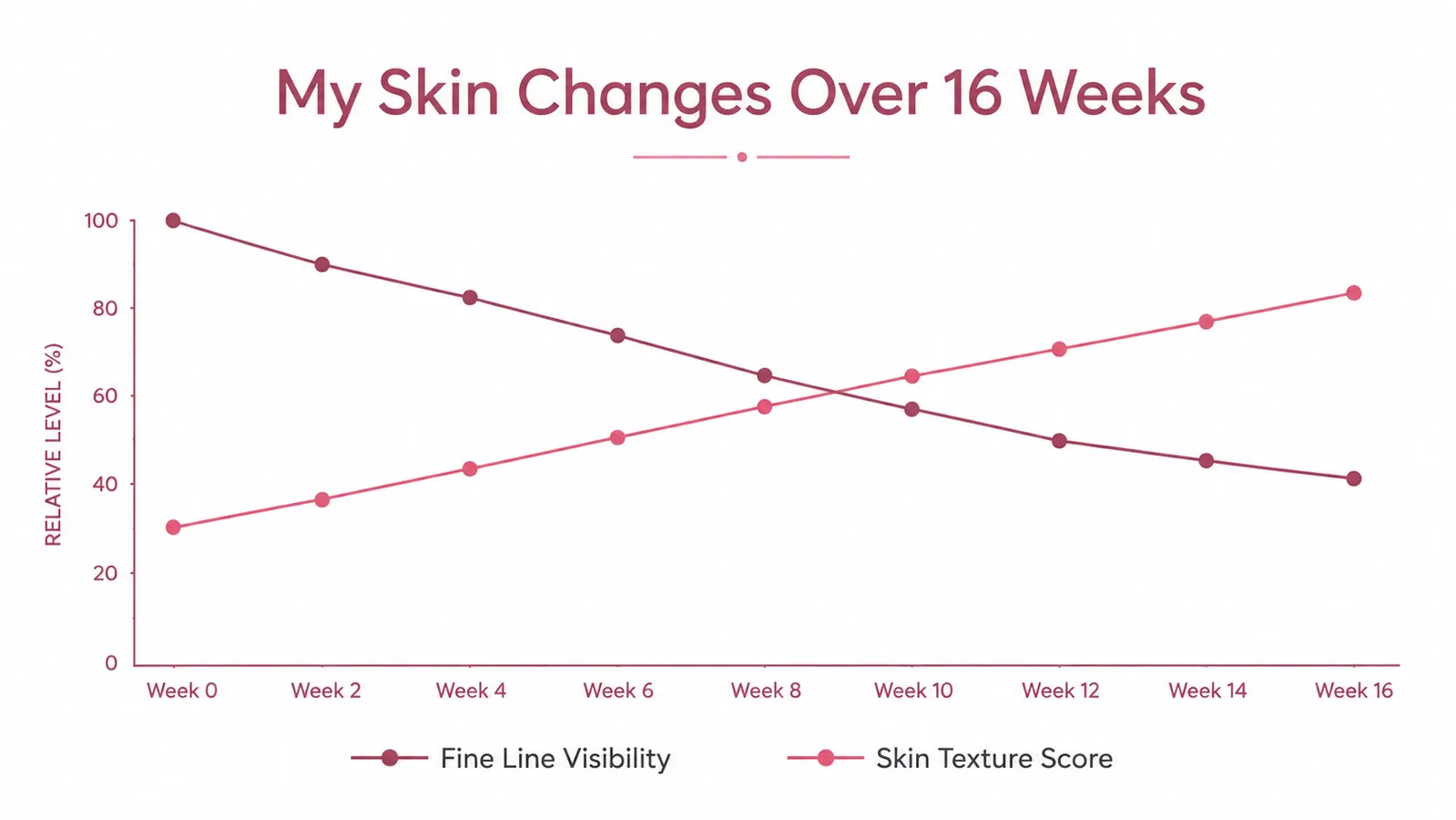
I took photos on the same day each week under the same bathroom light so I could compare honestly. I kept a short note in my phone each week describing how my skin felt and what, if anything, I noticed changing. I am telling you this because I want you to know the results I report here are not impressionistic. I tracked this carefully, the way I would have tracked any product I was reviewing for publication.
One more detail worth mentioning: my skin type is normal to dry, which skews slightly more sensitive than oily skin. I do not break out often, but I do flush and react to fragrance more than I used to in my thirties and forties. That context matters when you read my experience with the retinization period.
Weeks One Through Three: The Uncomfortable Part
I want to be honest about this because the brand's marketing glosses over it. The first three weeks were not pleasant. I did not get the dramatic peeling some people describe with prescription retinoids, but I had a persistent low-grade irritation along my jawline and around my nostrils. My skin felt tight in the morning despite moisturizer. Around week two, I had a small cluster of dry flaky patches near my right temple that I had never had before. None of this was severe, but if I had been a first-time retinol user who had not done her research, I might have returned the bottle.
What I did was back off. Instead of using it every night, I dropped to every other night for two weeks until my skin adjusted. This is called the buffer method and it is the single most important thing you can do if you are new to retinol over fifty. It is not giving up. It is not a sign the product is wrong for you. It is just giving your skin cell turnover rate time to catch up with what the retinol is asking it to do. By week four, I was back to nightly use with no irritation at all.
What the Formula Actually Contains
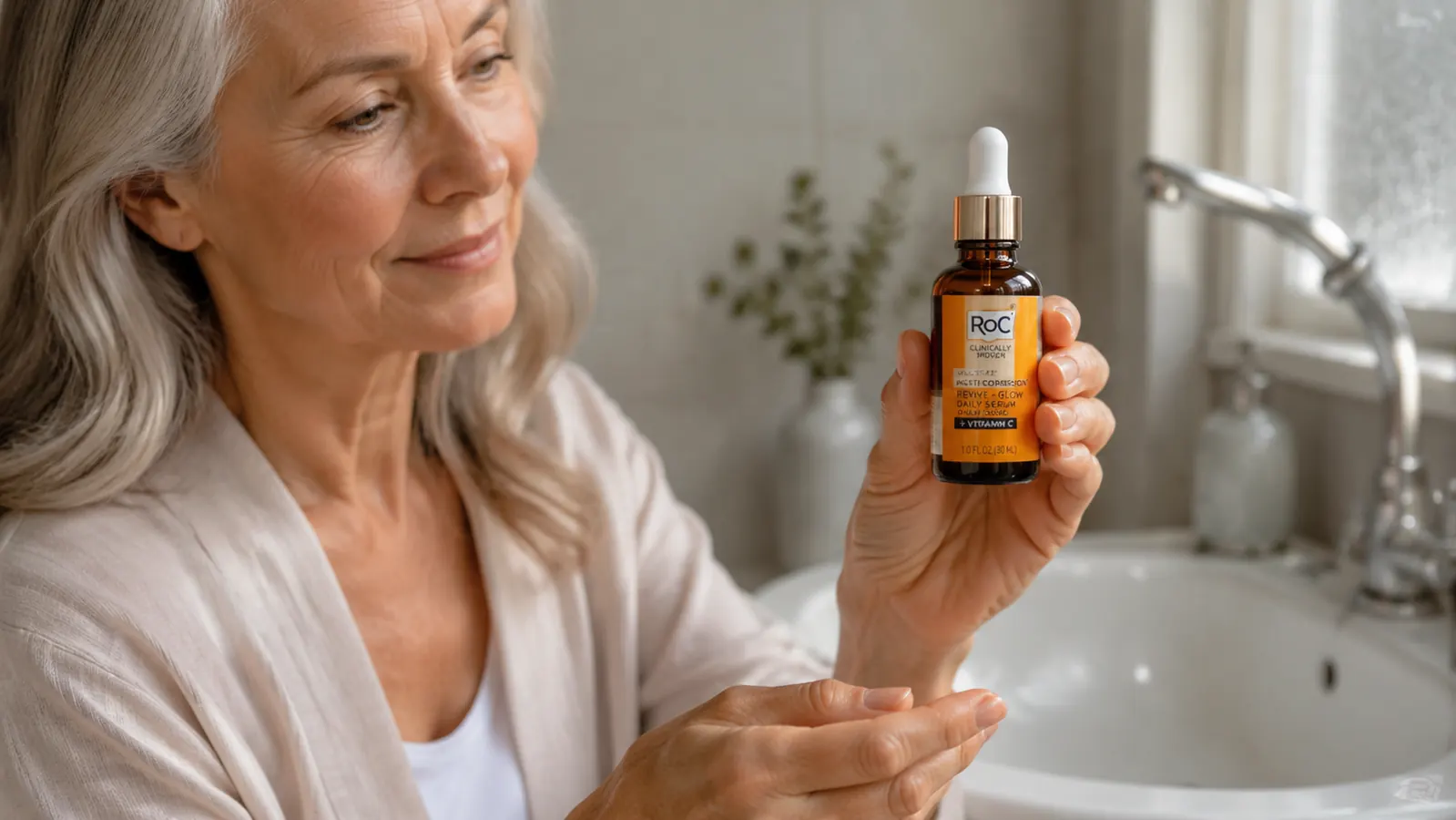
The RoC serum uses retinol in combination with what the brand calls a mineral complex, which includes a blend of magnesium, copper, and zinc. The idea is that the mineral complex enhances retinol's stability and helps regulate its activity on the skin. I cannot tell you with certainty what the retinol concentration is because RoC does not disclose it, which is a legitimate frustration. Most drugstore retinol serums fall somewhere between 0.1% and 0.3% for products positioned as gentle enough for daily use, and based on how my skin responded, I suspect this formula sits in that range.
The serum also contains ascorbic acid, which is vitamin C. That is actually a meaningful addition. Vitamin C and retinol together can provide complementary anti-aging support, vitamin C tackling hyperpigmentation and free radical damage while retinol works on cell turnover and collagen production. In practice, because ascorbic acid degrades quickly when exposed to light and air, the benefit you get from the vitamin C in this formula depends heavily on how fresh your bottle is and how you store it. Keep it away from direct light. I stored mine in a drawer.
Here is my honest concern with the formula: it contains fragrance. Not a heavy perfume, but a detectable scent, something slightly powdery and clean. For many women over fifty whose skin barrier is thinner and more reactive than it was at thirty, fragrance in a leave-on product is genuinely unnecessary and potentially irritating. It did not cause me a major problem, but I noticed it, and I think it is a reason to be thoughtful if your skin is on the reactive end.
Months Two and Three: Where the Results Showed Up
This is where the experience shifted. By week six, the surface texture of my skin was noticeably smoother. Not dramatic, not overnight, but when I ran my fingertips across my cheekbone in the morning, the skin felt more even. The slightly rough, almost imperceptibly bumpy texture I had accepted as normal for the past few years had softened. My concealer was sitting differently, more evenly, with less of the creasing I had been fighting along my laugh lines.
The fine lines across my forehead, the horizontal ones that have been there for a decade, did not disappear. Let me be clear about that. But the lines themselves became softer looking, less engraved. This is consistent with what retinol actually does: it does not erase wrinkles, it plumps the skin around them by stimulating collagen production and accelerating cell turnover, so the lines appear less deep because the surrounding skin is healthier and more hydrated. If you are expecting your forehead to look the way it did at thirty-eight, you will be disappointed. If you are hoping for softer, more refined skin with visible lines that bother you a little less when you catch yourself in a harsh light, that is realistic.
By week six, the texture of my skin was noticeably smoother. My concealer was sitting differently, more evenly, with less of the creasing I had been fighting along my laugh lines.
The dark spots were the slowest to respond. At the two-month mark I saw no change at all in those two spots on my left cheekbone. At three months I thought one of them might be slightly lighter, but I was honestly not sure if I was seeing what I wanted to see. By month four there was a real, measurable lightening, probably twenty percent less visible. Still there, still noticeable to me in a magnifying mirror, but noticeably faded when I looked at my face at normal distance. The ascorbic acid in the formula may have contributed to that, or it may simply be that four months of cell turnover moved the pigment toward the surface and out. Either way, I will take it.
Month Four: The Full Picture
By month four I had settled into a comfortable rhythm with this serum and the results had plateaued at a level I was genuinely happy with. My skin's overall tone was more even. The rough patches I used to get on my cheeks in winter were gone. My foundation had not changed, but the way it looked on my face had, which is the best real-world test of whether your skincare is working. The skin along my jaw, which had been my biggest concern going in, felt slightly firmer, though I want to be careful not to overclaim here. Jaw firmness is hard to measure and easy to imagine, so I will only say that other people noticed, which carries more weight with me than my own observation.
The size of the serum bottle is worth mentioning. One fluid ounce sounds small and it is. Using three drops per night, I went through one bottle in about seven weeks, which puts the ongoing cost at roughly six bottles per year. At the current price on Amazon, that is not a small commitment. It is less than a prescription retinoid with insurance copays, less than a high-end department store retinol, but it is not nothing. I mention this because I want you to go in clear-eyed about what consistent retinol use actually costs.
What I Liked
- Visible texture improvement starting around week six, well-documented by my own weekly photos
- Fragrance-free moisturizer pairs easily and prevents the dryness that derails many first-time retinol users
- Tolerable retinization period when you use the buffer method and start every other night
- Ascorbic acid addition may support the hyperpigmentation work, especially on sun-related dark spots
- Over 15,000 Amazon ratings provides real-world confidence that results are reproducible across skin types
- Readily available at most pharmacies without a prescription or a derm appointment
Where It Falls Short
- Contains fragrance in a leave-on formula, which is unnecessary and may irritate sensitive or reactive mature skin
- Retinol concentration is not disclosed, making it harder to compare potency to competing products
- Results require patience, expect real texture improvement around month two and pigmentation change closer to month four
- One-ounce bottle runs out faster than you expect, especially if you are generous with the dropper
- The first three weeks involve real discomfort for many users, and the brand does not adequately prepare you for that
Alternatives I Considered Before Choosing This One
Before committing to the RoC, I seriously considered two other retinol serums. The first was the CeraVe Skin Renewing Retinol Serum, which I still think is an excellent option, especially for women with drier or more sensitive skin. It includes ceramides and hyaluronic acid in the formula, which helps offset the drying effect of retinol. If you have had trouble with retinol irritation before, CeraVe may be the gentler entry point. I chose the RoC because I was comfortable with retinol in general and wanted something with a longer track record of user data behind it. You can read my full head-to-head between these two in my RoC vs CeraVe Retinol comparison.
The second option I considered was a prescription tretinoin, which is the prescription form of retinoid and significantly more potent. For someone who has already been through retinization and wants to push further, a prescription product with your dermatologist's guidance is a legitimate next step. For someone starting out at fifty-plus, I think the over-the-counter route is more sensible. The risk of significant irritation with tretinoin on mature, thinner skin is real, and I did not want to spend three months managing a reaction when I could get meaningful results from a gentler product.
Who This Is For
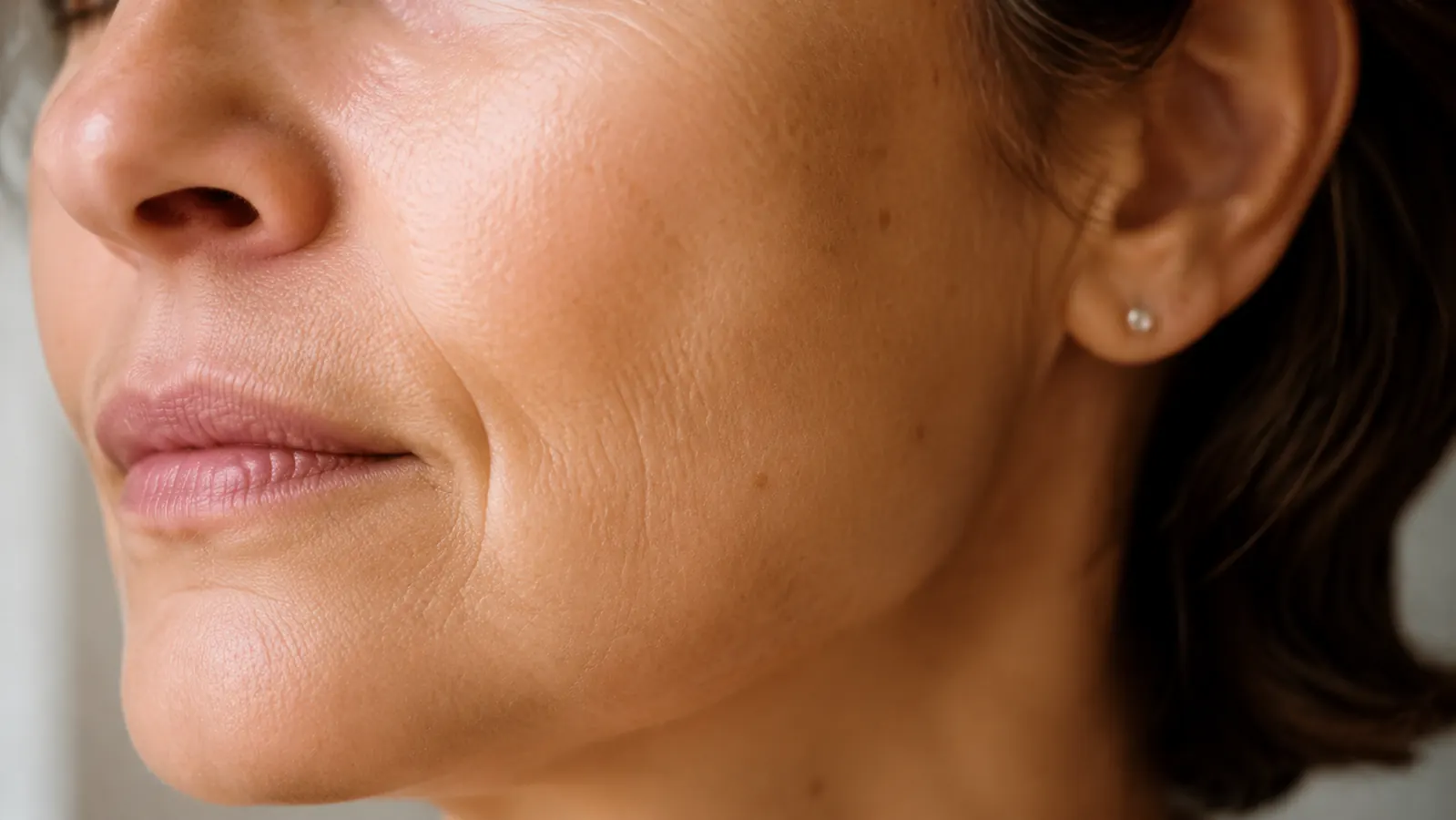
This serum is a good fit for women over fifty who have not used retinol consistently before and want to start with something that has a solid track record. It is also a reasonable choice if you have used retinol in the past, liked the results, and want a pharmacy-accessible formula you can refill without a prescription or a specialty beauty store trip. If your primary concerns are fine lines, uneven texture, and mild hyperpigmentation from sun exposure, this addresses all three over time. If your skin is on the normal to dry side, be prepared to be diligent with your moisturizer on top. If you already have a sensitive skin diagnosis or a compromised barrier, I would look at the CeraVe option first.
Who Should Skip It
If fragrance in skincare is a hard no for you, this is not your serum. The scent is mild but it is present, and a leave-on formula with fragrance on already-thin mature skin is an unnecessary risk when fragrance-free alternatives exist. If you are looking for dramatic, fast results, retinol of any kind is not the right category, and this formula is no exception. Retinol is a long game. If you are not willing to commit three to six months, the investment in time and product will feel wasted. And if you are currently dealing with active rosacea or a condition like eczema, talk to your dermatologist before starting any retinol.
Also worth noting for anyone newly retired or on a fixed income: the ongoing cost of a one-ounce bottle used nightly adds up. Do not let the per-bottle price fool you into thinking this is a low-commitment purchase. It is one of those products where you genuinely need to factor in the annual cost before you decide it fits your budget. If you want to understand exactly how to build a retinol routine without wasting a bottle on the learning curve, I put together a full guide on why retinol serum is the most powerful step in any anti-aging routine that covers what to expect month by month.
Four months in, I am still using it. That should tell you something.
The RoC Retinol Correxion Deep Wrinkle Serum is not a perfect product, but it does what it says over time. If you are ready to commit to a consistent retinol routine, checking the current price on Amazon takes about thirty seconds.
Amazon Check Today's Price on Amazon →